
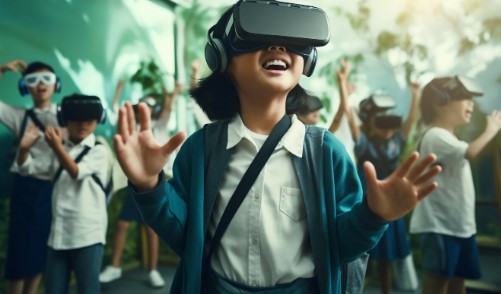
In the fast-paced world we live in today, gamified learning is not merely a fad anymore; it is gaining the status of the next big educator toolkit throughout the U. S. Training programs at schools, colleges, and companies incorporate game elements to hasten engagement, increase knowledge retention, and just amplify the fun in learning.
The question is: What exactly is gamified learning? Moreover, why does it seem the U.S. often misses the big limelight? And finally, how can you actually make gamified learning work for you in your own classroom or workplace? Let us investigate these questions together.
What Is Gamified Learning?
Gamified learning means incorporating game-type features into lessons or training; for example, it could include points, badges, leaderboards, levels, or challenges.
In other words, just grab the educational content and design it like a game. Learners are never stuck waiting to grab feedback; they can measure their own progress and encourage one another along the way.
Why Gamified Learning that is Associated with the U. S. Is Important
- Increases Engagement and Motivation
Digital games entertain people across the U.S. in a widely recognized way. When educators apply similar concepts to teaching, they make learning feel natural and fun. Numerous schools report increased focus and engagement when they introduce gamified tools. Learners stay engaged mainly because they feel rewarded and in control of their progress.
- Improves Learning Outcomes
Studies, indeed, show gamified learning increases test scores and retention. The material is remembered more if the student is interacting with it. In essence, a well-designed game-based system keeps learners actively moving rather than remaining passive.
- Personalizes Learning
The biggest advantage of gamification is that it is highly adaptable. For instance, pupils can work at their own pace. Additionally, they receive content tailored to their skill levels. Moreover, if a student requires more help or a greater challenge, gamification can provide it immediately.
- Supports Technology Trends
Gamified learning fits naturally with present-day technology. Before this, accidents could happen with:
- AI-powered adaptive platforms that engage in difficulty scaling performances.
- AR and VR are also used to set up immersive simulations.
- Learning apps are available for working anywhere, anytime.
These tools effectively cater to the needs of digital-first learners, and consequently, they keep up with the rising demand for flexible education. Moreover, they support learners in adapting to today’s fast-changing educational environment.
- It Works Across All Ages and Settings
Gamified learning isn’t just for kids—it benefits adults too! Many companies across the U.S. use it to train employees. Whether for onboarding, safety, or sales, gamified modules keep adults engaged and motivate them to complete their courses. That’s why it serves as a powerful solution for lifelong learning.

How to Have a Successful Gamified Learning Implementation
Ready to get started? First, try these practical suggestions to confidently begin your learning journey.
Set Clear Goals
Before planning your course, think about what you’d like to achieve. Are you looking for better test scores, quicker completion time, or for learners to be more engaged? Knowing exactly what you are aiming for will help you in choosing the game elements.
Match Mechanics to Learners’ Needs
Some learners love competition; meanwhile, others prefer collaboration or simply working quietly on their own. Therefore, you can deploy tools like:
- Points and badges reward individual achievement
- Leaderboards aimed toward competitor learners
- Team challenges foster teamwork
Start simple and build from feedback.
Immediate Feedback
Games give you feedback right away, so your learning system should do this as well. It should tell the learner when they do something right or wrong. Giving feedback immediately keeps learners motivated and lets them learn how to do better quickly.
Storytelling and Challenge
A good story captivates the audience. Moreover, by wrapping your lessons in a compelling narrative, learners become fully part of the experience. Additionally, give them levels and challenges that gradually become more complex, thereby keeping them active and effectively avoiding boredom.
Hybridize Online and Offline Education
Hybrid models abound in American schools and workplaces. It is a period of digital transformation when we have the opportunity to combine some adventurous digital game tools with outdoor activities. For example, try in-class competitions, peer collaboration, or live quizzes. Blending methods aid bonding and sustain freshness.
Design for All Learners
Make sure learners can easily access your content. Not everyone has high-speed internet or expensive devices. Provide audio options for those with visual impairments. Offer low-data mobile versions. Let users adjust text size and colors. When you design inclusively, you ensure everyone benefits—instead of creating a system where some thrive while others get left out.
Evaluate and Optimize
After you publish your gamified lesson, analyze it carefully. First, track who completes the course, how long they spend, and where they drop off. Then, ask learners what they liked and disliked. Finally, use their feedback to continuously improve your design.
Challenges of Gamified Learning in the U.S.
The benefits notwithstanding, here are a few issues to keep in mind:
- Too Much Focus on Rewards: Learners may be interested in gaining badges instead of earning the real knowledge and skills they paid to learn. Therefore, keep the learning objectives in focus.
- Technology Barriers: Not every school has the same kinds of technological devices or Internet accessibility. Always consider the issues of equity during planning.
- Teacher or Trainer Readiness: Gamification involves learning and time to implement. Trainers may need to be trained and supported.
- Fun and Function: A gamified learning production should be more than just fun. It should embed the teaching of core concepts into it very clearly.
Real-Life Examples of Gamified Learning in the USA
The following examples indicate how gamification is in use across various learning environments:
- In K–12 Schools
Teachers use applications such as Kahoot! and Quizizz to transform quizzes into games. Students earn points, climb leaderboards, and compete in teams. Such mechanics work well with math, science, and history.
- In Colleges and Universities
Nowadays, several colleges in the USA offer gamified laboratories or virtual simulations. For example, in nursing and engineering, students perform missions rather than reading texts. And some courses offer XP, or experience points, instead of grades.
- In Corporate Training
Companies employ gamification for compliance, safety, and sales training. Bonus levels, unlockable badges, or team competitions keep employees motivated, especially during mandatory training.
Future of Gamified Learning in the USA
Gamified learning will continue to grow with the rise of technology. Key trends include:
- Smarter AI System that adapts content to learner needs
- More VR for hands-on experience
- Smaller Mobile Micro-Learning chunks
- Cooperative Games to foster teamwork
- SEL-oriented features for nurturing soft skills
These trends would fit very nicely in the U. S. education goals, especially concerning the preparation of students and workers for the future.
Getting Started
If it’s your first time in gamified learning, this is how you begin:
- Start With One Lesson: Choose a specific, small topic and create its gamified version. Test it on a few learners.
- Use Free Tools: Many platforms, such as Classcraft, Kahoot!, or Duolingo for Schools, to name just a few, offer free versions.
- Talk With the Learners: Ask individuals learning or employees what gets their motivation going.
- Observe Success: Test scores, the percentage of content completed, or levels of engagement.
- Keep Improving: Adjust the course based on results and on feedback.
Final Reflections
In the United States, gamified learning is really transforming education and training. If you work with kids, train adults, or design online content, implementing game mechanics has been an avenue to making your lessons more engaging, more interesting, and more effective.
It is not meant to make learning easy-it is meant to make learning meaningful, interactive, and rewarding. If done right, gamified learning can lead every learner toward success. Materials that fit their
Pingback: Gamified learning – Site Title