
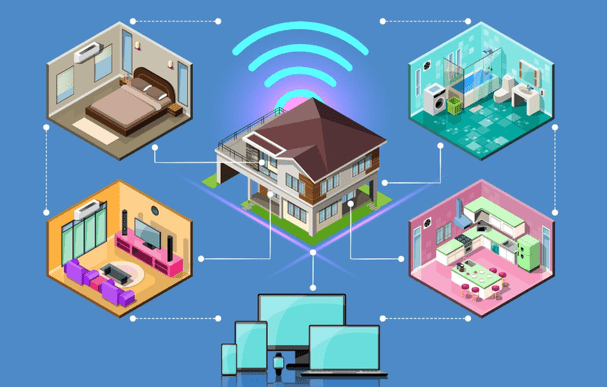
Securing your home Wi-Fi in this digital day and age is more important than ever. With the emergence of smart devices, remote work, and online financial transactions, there are consequently numerous opportunities for criminals to exploit weaknesses in your network. Therefore, it is essential to learn how to Secure Home Wi‑Fi Network to protect your personal information, safeguard financial data, and maintain your privacy. Furthermore, this guide will provide step-by-step instructions to ensure your Wi‑Fi remains safe, reliable, and fully protected.
“Home Wi-Fi Security: Why It Is Important”
Being so significant in daily life, the Wi‑Fi network controls access to all our digital possessions. Without protection, hackers can easily intercept passwords, bank card numbers, and private emails. Criminals can also exploit an unsecured network to carry out illegal activities, creating additional risks for you. Moreover, unauthorized users can slow down your internet by consuming your bandwidth. Therefore, you must know how to Secure Home Wi‑Fi Network safely and effectively.
Change Default Router Settings.
Mostly every Wi-Fi router comes with default usernames and passwords. Unfortunately, these passwords are known far and wide, allowing an attacker to easily invade your precious network assets. The very first and foremost thing is to change those very default credentials in order to fortify your network. To do that, access your router’s admin panel and put a new, unique password in place. Of course, the network name (SSID) should not say where you are or even a part of your name; it should be generic enough not to give classical enemy hackers a convenient gateway into the premises of your network.
Use Strong Wi‑Fi Passwords
Undoubtedly, a strong Wi-Fi password is indeed one of the simplest yet most effective means of enhancing security for your network. Do not make the password “12345678” or simply “password.” Instead, pick a password that is at least 12 characters long and includes the use of capitalized letters, lowercase letters, numbers, and symbols. And change it occasionally to minimize the move, one could guess it. You will be cutting into cybercriminals‘ opportunities to penetrate your network.
How to Secure Home Wi‑Fi Network: WPA3 Encryption
Setting up WPA3 encryption on your Wi-Fi system takes another major step toward securing your data. This highly functional option quickly helps you upgrade your setup and serves as the best standard for home networking. Additionally, you should change your WPA3 password regularly. Doing this ensures that all devices on your network adopt the latest security settings, which makes it nearly impossible for unauthorized parties to access your data. In short, actively using these apps and settings protects the integrity of your network.
Keep Router Firmware Updated
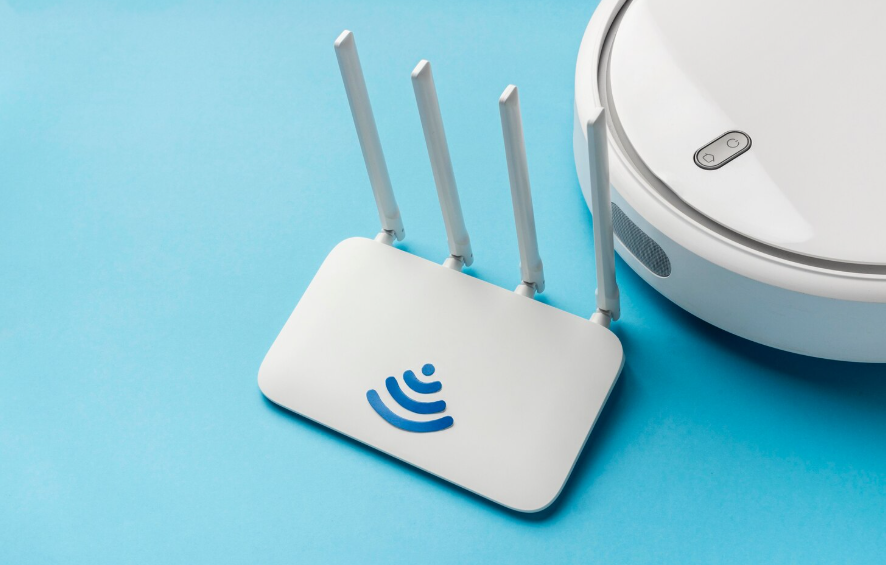
Router companies often release updates to fix vulnerabilities and enhance security. However, most users fail to update their routers, leaving their networks insecure. To address this, you should set your router to update automatically. Additionally, routinely check manufacturers’ websites for new firmware, because installing the latest firmware almost eliminates potential attack vectors that hackers use to exploit known router vulnerabilities.
Disable WPS and Remote Management
WPS (Wi‑Fi Protected Setup) is probably the biggest pitfall for any devices and services. Remote management, something quite similar, can also be used for potential exploitation. Therefore, one should carefully disable them, especially when they are not being used. In this way, any attack options that have always lurked around your network with a potential for breach are somehow shut down. By and large, it would mean that anything troubling one’s network has to go clandestinely through much more secure avenues.
How to Secure Home Wi‑Fi Network: Guest Networking
If there are often visitors, a roommate sharing your network might not be a terribly good idea. One ends in providing your foundation rather more secure access to other parties to some extent. It is much wiser to also set up restrictions in the case of bandwidth predators on guest networks so as not to affect the performance of your main connection. So security is maintained together with performance, with no inconvenience.
How to Secure Home Wi‑Fi Network: Firewall
Most modern routers include built-in firewalls. Enabling the firewall adds an extra layer of security that actively blocks unauthorized access and malicious traffic. Additionally, users can install software firewalls on their devices to further protect themselves and strengthen overall defense. By combining these strategies, you create a strong barrier against external attacks, and this proactive approach significantly reduces threats that could compromise your network security.
The 10th prospect concerns the possibility of receiving unsolicited aid from the provision of an attached network, as proper preventive methods weaken malicious intent. That measure implies no access to the devices, meaning now only those on a white list can access the Internet. A (yellow) list that contains all the devices on the Internet socket (which can be successful with most thieves). Through this, you can measure the minimization inside your home/business network.
How to Secure Home Wi‑Fi Network: Disable Wi-Fi When Not in Use
Turning off your Wi‑Fi could be a simple way to minimize exposure, though easily dismissed as a very insignificant gesture. Indeed, the Wi‑Fi may be easily disabled during your holiday vacation or a prolonged absence from home, thereby providing an enhanced sense of protection against unauthorized access. The better smart routers are equipped with a programmable shutdown schedule for the Wi‑Fi during stipulated hours another way to provide some security enhancements, and some energy savings. So it is very simple and effective, even in small actions.
Monitor Your Network Regularly
Keep a careful watch over network activity to detect any unusual behaviours early. You will notice that modern routers have informational logs displaying connected devices, flow spikes, and attempted intrusions. Regular network monitoring would enable you to pay off in recognition of activities that seem to be suspicious. In addition, third-party mobile apps offer the real-time alert feature whenever some unknown devices connect to your network, providing that extra layer of control.
More Tips to Secure Your Home Wi‑Fi Network
Use VPNs: When a Virtual Private Network is set up, everything that is decrypted by the internet becomes a challenge for hackers to monitor your data flow.
Note: The typical home has devices other than computers, such as smart TVs, thermostats, and cameras. All the described devices need to have strong passwords, ensure good password change practices, and be installed with the newest available firmware.
Educate the Household: Make certain all participants in the family know perceived online safety norms from phishing to maintaining secure emails.
Conclusion
Securing your home Wi-Fi network has become a necessary step in life in order to preserve one’s digital life. A simple approach might involve changing the default router settings, utilizing strong passwords, instructing the network to use WPA3 encryption, and monitoring network traffic; therefore, minimizing the adverse security threats against cyberattacks. Learning how to secure the home Wi-Fi network gives you the right to fast, safe, and reliable internet throughout the home.
Initiate and secure your home network against cyber threats today.